Tattoo removal is the process of removing an unwanted tattoo, typically through a medical procedure. The most common and effective method is laser tattoo removal, which outperforms chemical peels, dermabrasion, and other alternatives.
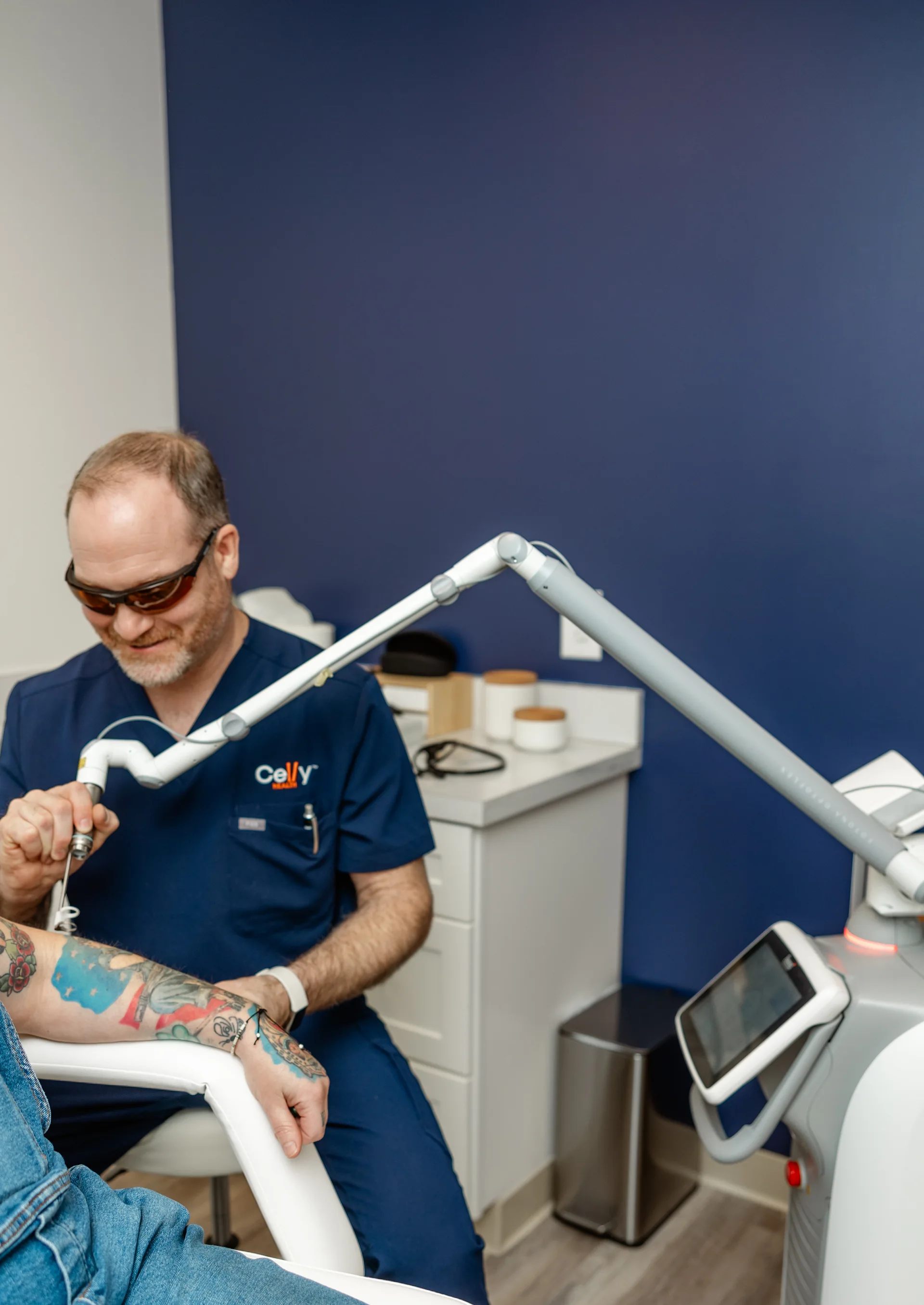
At Celly Health, we invest in the most advanced removal technology available. With our specialized PicoWay laser systems and extensive clinical expertise, our team is confident we can help you achieve your removal goals — safely and effectively.
Your body views tattoo ink as a foreign substance composed of large molecules your immune system can't easily process — which is what gives tattoos their permanence.
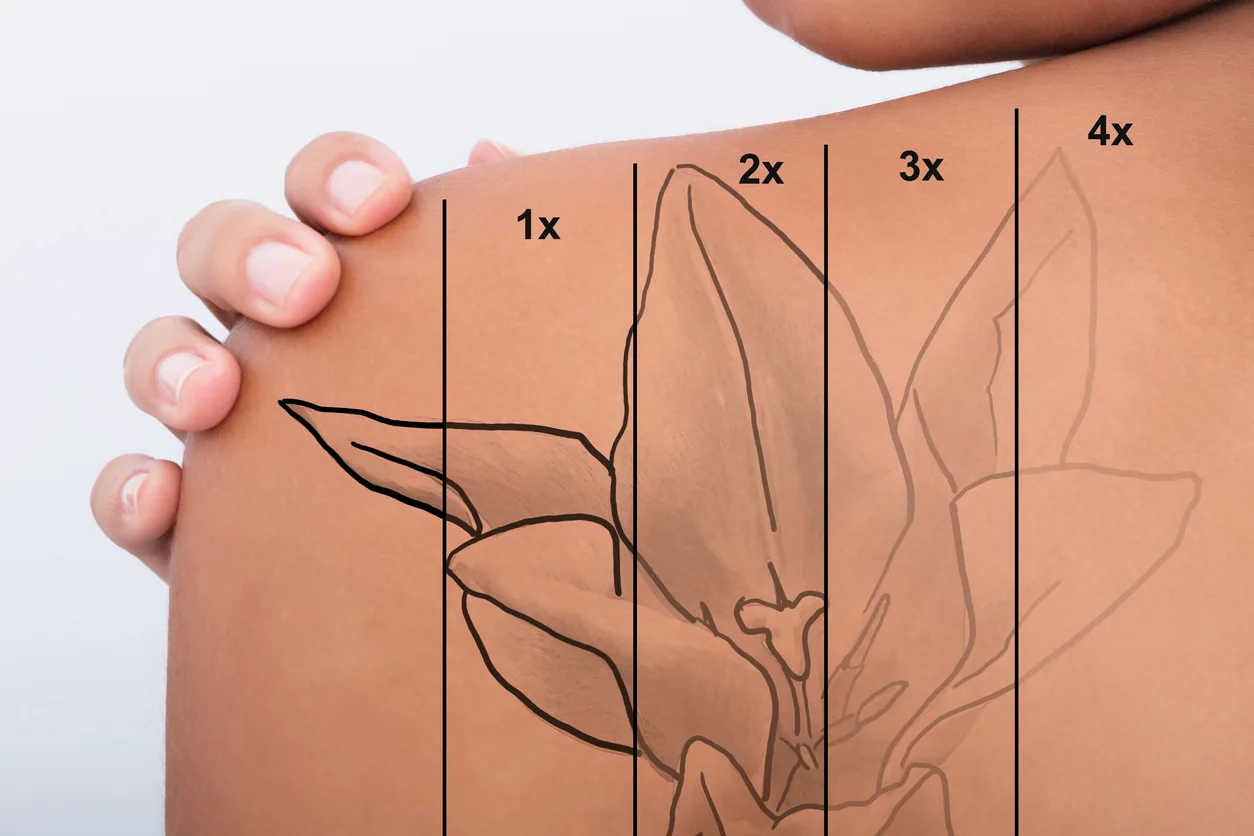
Our PicoWay laser breaks those larger ink particles into smaller, more digestible sizes. Your immune system then gradually flushes the broken-down particles, causing the tattoo to lighten with each session until it's fully gone.
Every tattoo holds unique meaning — and that same concept applies to having one removed. You might seek removal because your personal style has changed, or because you want fine-line work instead of bold blackwork. Others choose to remove an ex's name, a portrait that didn't age well, or a design that no longer represents who they are.
Whatever your reason, it's valid — and it deserves the proper care. At Celly Health, we approach every removal journey with respect, professionalism, and personalized attention.
From consultation to aftercare — your removal journey in three steps.
Visit your local Celly Health clinic. A clinical specialist will evaluate your tattoo and determine your removal plan — including estimated treatments and total cost.
Book ConsultationSchedule when the time is right, or begin the same day as your consultation. Sessions are fast — most take under an hour depending on tattoo size.
Your specialist provides detailed aftercare instructions and helps schedule your next session. Keep the area clean, dry, and protected from the sun for best results.
Every tattoo is unique. Our clinical team evaluates these factors to build a removal plan tailored specifically to you.
There are six Fitzpatrick skin types. Lighter skin types (I–IV) respond well to most lasers. Darker skin types (V–VI) require advanced technology — which is exactly what Celly Health uses. Our laser systems are FDA-cleared for all Fitzpatrick skin types, so we safely and effectively treat every skin tone.
Some ink colors respond faster than others. Black, dark blue, purple, and red are generally the easiest to remove. Newer pigments — orange, yellow, white, sky blue, and light green — are more challenging and require specialized wavelengths. White ink can react unpredictably, sometimes darkening when hit by a laser.
We can remove tattoos from nearly anywhere on the body — placement doesn't determine if we can treat it, only how long it may take. Areas closer to the heart with higher blood flow (chest, upper back) typically clear faster. Extremities like fingers, hands, and feet have lower blood flow, which can extend the timeline.
Ink saturation varies significantly by tattoo style. Heavy blackwork or full-color sleeves contain far more ink than fine-line or minimalist designs. Higher saturation generally means more sessions. During your consultation, we'll assess your tattoo's density and build a plan accordingly.
Professional tattoo artists apply ink deeply and evenly — their work is designed to last. Amateur tattoos often have inconsistent depth and saturation, which can make removal timelines less predictable. Understanding this helps our team provide a more accurate estimate.
Older tattoos have had time to naturally fade as your immune system slowly breaks down ink particles. A tattoo that's 10+ years old will generally respond to laser treatment faster than a fresh one. Newer tattoos (under 1–2 years) still have dense, intact ink requiring more sessions.
Nicotine constricts blood vessels, reducing the flow of oxygen and nutrients to treated areas. This slows your body's ability to flush away broken-down ink particles. If you smoke or vape, tattoo removal can take longer.
Older tattoos, light ink, high blood flow areas, black/dark blue/purple/red
New tattoos, dense ink, extremities, smoking, white/yellow/orange/sky blue
Most patients describe it as mild discomfort, similar to a rubber band snapping against the skin. Our PicoWay laser causes less discomfort than most other techniques and works faster — meaning less time in the chair.
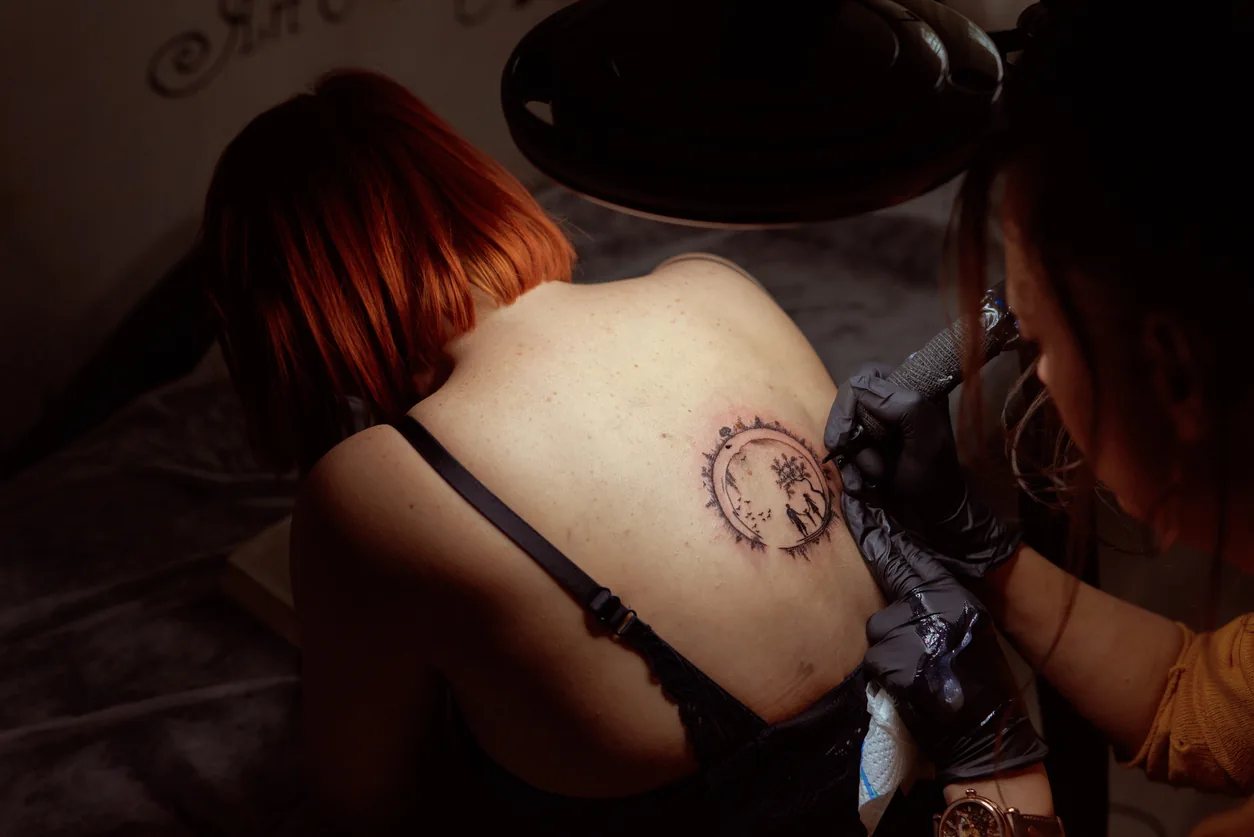
Generally, removal is less painful than the original tattooing process. Areas closer to bone are more sensitive; meatier areas tend to cause less discomfort.
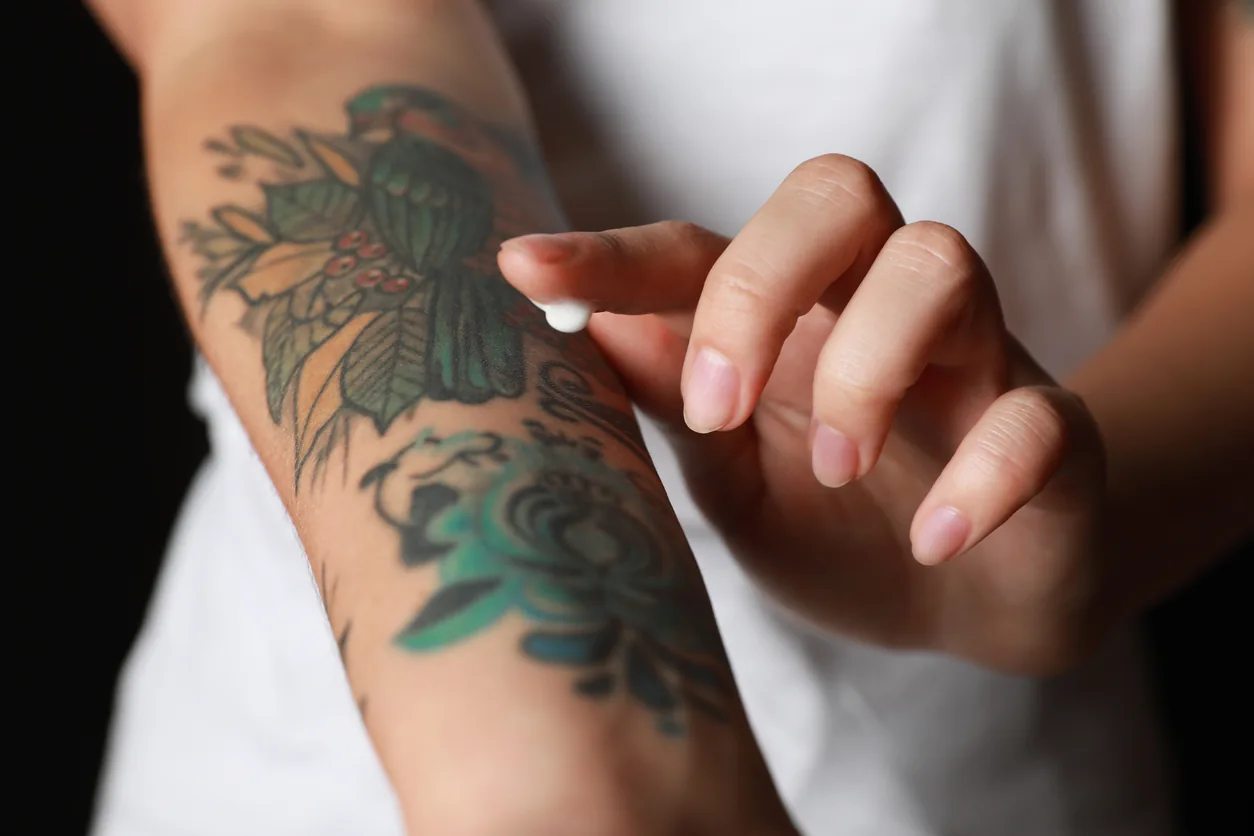
Aftercare significantly impacts healing, final results, and total treatment time. Follow all protocols carefully to ensure every treatment is as effective as possible.
It can take 4–6 weeks to fully heal from each session. Stay hydrated, eat clean, and stay active to boost your immune system's ability to flush ink between treatments.
Laser tattoo removal isn't only for complete removal. It's also an invaluable tool for fading existing ink to prepare for a new design. By safely lightening your current tattoo, we give your tattoo artist a cleaner canvas — resulting in a more vibrant, detailed cover-up.
Your tattoo artist can quickly determine how much fading is required.
Celly Health provides an accurate estimate of sessions needed.
After 3–5 sessions on average, your old tattoo is ready for new art.
Wait at least 6 weeks after your last laser session before new ink.
Every tattoo is unique, so the cost of removal should be too. Your free consultation includes a full assessment and custom treatment plan with transparent pricing.
One price for unlimited sessions until your tattoo is fully removed. Typically 8–12 sessions with an estimated 40% savings vs. per-session pricing.
Great for cover-up fading or testing how your body responds. Enough sessions to demonstrate meaningful fading at a cost-effective price.
Available for touch-ups, blowout corrections, or pay-as-you-go. Note: single sessions over a full course cost up to 40% more than a package.
We also offer eyebrow tattoo & microblading removal — a specialized process requiring an in-person consultation.
Tattoos can be a painful reminder of a life left behind. Through our Initiative program, Celly Health provides free tattoo removal treatments to individuals in need of erasing tattoos tied to difficult life experiences.
Launched in 2024, the program has changed hundreds of lives — with over 300 free Complete Removal Packages provided in 2025 alone. We are committed to providing removal in a safe, judgment-free environment.
Interested in partnering? We work with non-profit organizations and support programs to further the impact of our initiatives. Contact us →
Laser tattoo removal is highly effective. At Celly Health, our clinical team has successfully treated tattoos of all shapes, sizes, and colors across every skin type. With the right technology and experienced providers, the results speak for themselves.
No. Over-the-counter removal creams simply bleach the surface of your skin and do not effectively break down tattoo ink beneath the surface. We recommend consulting with a qualified clinical provider instead.
Absolutely. However, there is an increased risk of pigmentation changes when performed by inexperienced providers or with outdated equipment. At Celly Health, our FDA-cleared PicoWay lasers and trained specialists ensure safe, effective treatment for all skin types.
It can take 4–6 weeks to fully heal from a laser treatment. Once healed, all symptoms should disappear and your skin will return to its normal state.
We recommend waiting 24 hours. Use lukewarm water, lower pressure, mild soap, and pat the area dry. Do not submerge the area in baths or pools until fully healed.
Avoid activities that aggravate the treatment area for approximately 36 hours after treatment, or until initial side effects subside.
Most tattoo artists only need 3–5 sessions of laser fading before they can begin covering up old work. We recommend waiting at least 6 weeks after your last laser session before getting new ink.
Book a free consultation and our team will evaluate your tattoo and build a personalized treatment plan.